


Psychedelic Therapy for Grief in Colorado
Honor Your Loss, Transform Your Pain: Psilocybin-Assisted Grief Therapy
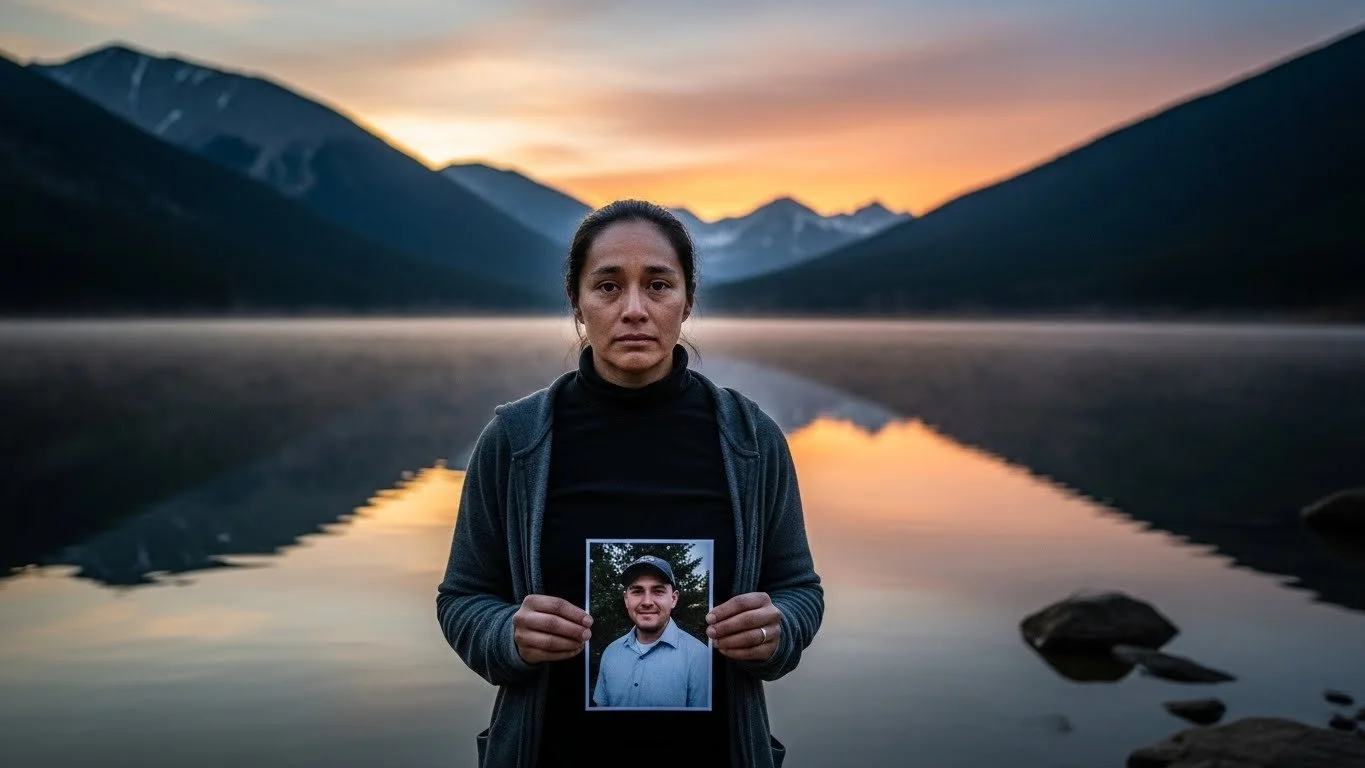
Grief is love with nowhere to go. If you're struggling with the death of a loved one, experiencing complicated grief that won't resolve, or feeling stuck in pain that traditional therapy hasn't touched, psilocybin therapy offers a pathway through loss toward healing and continued connection.

How Psilocybin Facilitates Grief Processing
Grief isn't just an emotional experience — it involves patterns that can become "stuck." Psilocybin therapy helps by:
1. Facilitating Emotional Breakthroughs: Research shows that emotional breakthroughs during psilocybin sessions are positively associated with improvements in grief symptoms. The expanded state allows access to emotions that have been suppressed or are too overwhelming to face in ordinary consciousness.
2. Creating Space for Continuing Bonds: Many bereaved individuals report experiencing a sense of connection with their deceased loved one during psilocybin sessions. These experiences — whether understood as spiritual contact or psychological processing — can provide profound comfort and facilitate healthy acceptance rather than premature "letting go."
3. Processing Traumatic Loss: When death was sudden, violent, or witnessed, traumatic grief interweaves with PTSD. Psilocybin reduces amygdala reactivity, allowing trauma processing without retraumatization while honoring the person who was lost.
4. Shifting Relationship to Mortality: Grief often involves terror about our own mortality and the impermanence of all we love. The perspective shifts during psilocybin experiences can transform existential dread into acceptance, finding meaning in the finite nature of life.
5. Reducing Complicated Grief Symptoms: For prolonged grief — when intense grief persists and impairs functioning beyond cultural norms — psilocybin therapy addresses the patterns maintaining the stuck grief response.
6. Integrating Loss into Life Narrative: Psilocybin facilitates meaning-making, helping you integrate loss into your life story rather than feeling your life stopped when they died. You can honor what was while creating space for what remains.
Why Traditional Grief Support Sometimes Isn't Enough
Conventional grief counseling provides valuable support, but some types of grief remain resistant:
Talk therapy may not access the depth of pain and love intertwined in grief
Grief support groups offer community but may not facilitate emotional breakthrough
Time alone doesn't always heal complicated or traumatic grief
Antidepressants may numb emotions needed for grief processing
Pressure to "move on" prevents authentic grieving at your own pace
What the Research Shows
Clinical evidence demonstrates significant benefits for grief:
Psychedelic experiences after bereavement improved symptoms of grief with a large effect size (Cohen's d = 0.83).
Emotional breakthroughs during sessions were positively associated with improvements in grief symptoms.
Mystical-type experiences helped people find meaning in loss and maintain healthy connections to deceased loved ones.
Participants reported experiencing grief as more bearable, finding ways to honor the person while creating space for joy again.
The therapy facilitated post-traumatic growth after loss — discovering new possibilities, deeper appreciation for life, and spiritual development.
The research suggests psilocybin therapy doesn't eliminate grief (nor should it) but transforms your relationship with loss from overwhelming to bearable, from stuck to flowing.
Types of Loss We Can Work With
Psilocybin-assisted grief therapy may help with:
Death of a partner or spouse — navigating life alone, identity reconstruction
Death of a parent — processing childhood wounds alongside loss, shifting role in family
Death of a child — the most profound loss, requiring specialized grief support
Sudden or traumatic death — accident, suicide, violence, medical emergency
Anticipated loss — terminal diagnosis in loved one, anticipatory grief
Pregnancy loss or stillbirth — disenfranchised grief that others may not acknowledge
Death of a pet — profound bonds that deserve honoring
Multiple losses — cumulative grief, collective loss
Complicated grief/Prolonged Grief Disorder — when grief becomes stuck or debilitating
Who Benefits Most from Psilocybin Therapy for Grief?
This approach may be particularly valuable if you:
Feel stuck in intense ongoing grief
Experience guilt, regret, or unfinished business with the deceased
Have traumatic elements intertwined with grief (witnessing death, sudden loss)
Feel disconnected from the deceased and yearn for some sense of connection
Are isolated in grief without adequate support system
Have disenfranchised grief that others don't acknowledge (unmarried partners, ex-spouses, estranged relationships)
Feel unable to experience joy, anticipate the future, or find meaning in life
Want to honor your loved one while also creating space for continued living
Timing Matters: When Is It Right?
Acute Grief (0-6 months): We typically recommend waiting at least 3-6 months after a loss for psilocybin therapy. The early acute grief period involves necessary processing that shouldn't be bypassed. However, for traumatic loss creating severe impairment, earlier intervention may be appropriate.
Integrated Grief (6+ months): This is often the optimal window — grief remains present but you have some stability. The therapy can facilitate moving from acute pain toward integrated grief where loss becomes part of your life story.
Prolonged/Complicated Grief (1+ years): When grief remains intensely debilitating beyond cultural expectations and interferes significantly with functioning, psilocybin therapy addresses the neurobiological and psychological patterns keeping grief stuck.
We'll assess timing carefully during consultation based on your unique situation.
Legal Access in Colorado
Psilocybin therapy is fully legal in Colorado when provided by licensed facilitators under the Natural Medicine Health Act. You can access this profound grief work without legal concerns.

Get Started
Psilocybin therapy creates conditions for profound grief work that respects the depth of your loss while facilitating transformation.

-
Psilocybin therapy facilitates grief processing rather than numbing it. Unlike antidepressants that may numb emotions, psilocybin creates expanded awareness that allows you to feel and process grief more fully — often experiencing the love beneath the pain. The goal isn't to eliminate grief but to transform your relationship with loss from overwhelming to bearable. This sort of pain is processed by feeling it fully, not numbing it. Psilocybin facilitates that.
-
We typically recommend waiting at least 3-6 months after a loss. Early acute grief involves necessary psychological and neurobiological processing that shouldn't be bypassed. However, timing depends on your situation — traumatic loss creating severe impairment might warrant earlier intervention, while anticipated loss (like terminal illness) might involve therapy during anticipatory grief. The key is having some basic stability while still being in active grief work. We'll assess timing during consultation.
-
Some bereaved individuals do report experiencing a sense of connection or presence of their deceased loved one. Whether understood as spiritual contact, psychological projection, or the brain processing attachment bonds, these experiences often provide profound comfort and closure. Research shows mystical-type experiences help people find meaning in loss and maintain healthy continuing bonds. However, we can't guarantee specific experiences — psilocybin brings forward what's ready to be processed in your unique way.
-
Psilocybin therapy is particularly effective for grief complicated by guilt, regret, or unfinished business. The expanded state allows you to approach these difficult feelings with self-compassion rather than harsh judgment. Many people report experiences of forgiveness — from the deceased, of the deceased, or of themselves. Others gain perspective that reduces the power of regret. The therapy creates space to say what wasn't said, to understand complex relationships, and to find peace with imperfection.
-
Yes — psilocybin therapy can support anticipatory grief when a loved one has a terminal diagnosis. The therapy helps process fear of loss, practice acceptance, reduce death anxiety, find meaning in limited time remaining, and prepare emotionally for the death while fully present to the relationship now. Some people do psilocybin therapy before the death, then return for additional sessions afterward to process the actual loss.
-
Healing grief doesn't mean forgetting or letting go of your loved one. The therapy facilitates moving toward "continuing bonds" — maintaining connection while also creating space for your own continued living. Some people have reported that their loved one "gave permission" during the experience for them to find joy again, or gained clarity that honoring the person means living fully rather than remaining frozen in pain. You're not choosing between loving them and living your life — both are possible.
-
Grief for complicated relationships often benefits significantly from psilocybin therapy. You can grieve both what was and what never was — the relationship you had and the relationship you wish you'd had. The therapy facilitates holding complexity: anger and love, relief and loss, pain and forgiveness all coexisting. Many people report being able to see the deceased with more compassion while also honoring their own experience of harm.
-
Psilocybin therapy creates neurobiological and psychological conditions for accelerated grief processing. While support groups provide community and traditional counseling offers coping tools, psilocybin facilitates direct emotional experience and breakthrough that can accomplish in one intensive session what might take many months of talk therapy. The expanded consciousness allows you to feel grief more fully while also gaining perspective that makes it bearable. Many people combine psilocybin therapy with ongoing grief support.
-
It can, yes — the research shows psilocybin therapy facilitates post-traumatic growth after loss. This includes discovering new possibilities in life, deeper appreciation for relationships and experiences, personal strength, and spiritual development (Low & Earleywine, 2024). Many bereaved individuals report that psilocybin helped them access joy again without feeling guilty, find meaning beyond the loss, and create a life that honors both their loved one and their own continued living.
-
Psilocybin therapy often addresses multiple conditions simultaneously. Grief frequently occurs alongside depression (sadness, hopelessness, loss of meaning) and anxiety (fear of more loss, mortality anxiety, panic about being unable to cope). The therapy's effects on mood, perspective, and neuroplasticity address these co-occurring conditions while respecting that grief itself isn't a pathology — it's a natural response to love and loss.
-
Low, F., & Earleywine, M. (2024). Psychedelic experiences after bereavement improve symptoms of grief: The influence of emotional breakthroughs and challenging experiences. Journal of Psychoactive Drugs, 56(3), 316-323. https://doi.org/10.1080/02791072.2023.2228303
Griffiths, R., Richards, W., Johnson, M., McCann, U., & Jesse, R. (2008). Mystical-type experiences occasioned by psilocybin mediate the attribution of personal meaning and spiritual significance 14 months later. Journal of Psychopharmacology, 22(6), 621-632.
Gukasyan, N., Davis, A. K., Barrett, F. S., et al. (2022). Efficacy and safety of psilocybin-assisted treatment for major depressive disorder: Prospective 12-month follow-up. Journal of Psychopharmacology, 36(2), 151-158.